
)
)
Tracking the Transition: Clean Energy & Climate Risks
Clean Power 2030
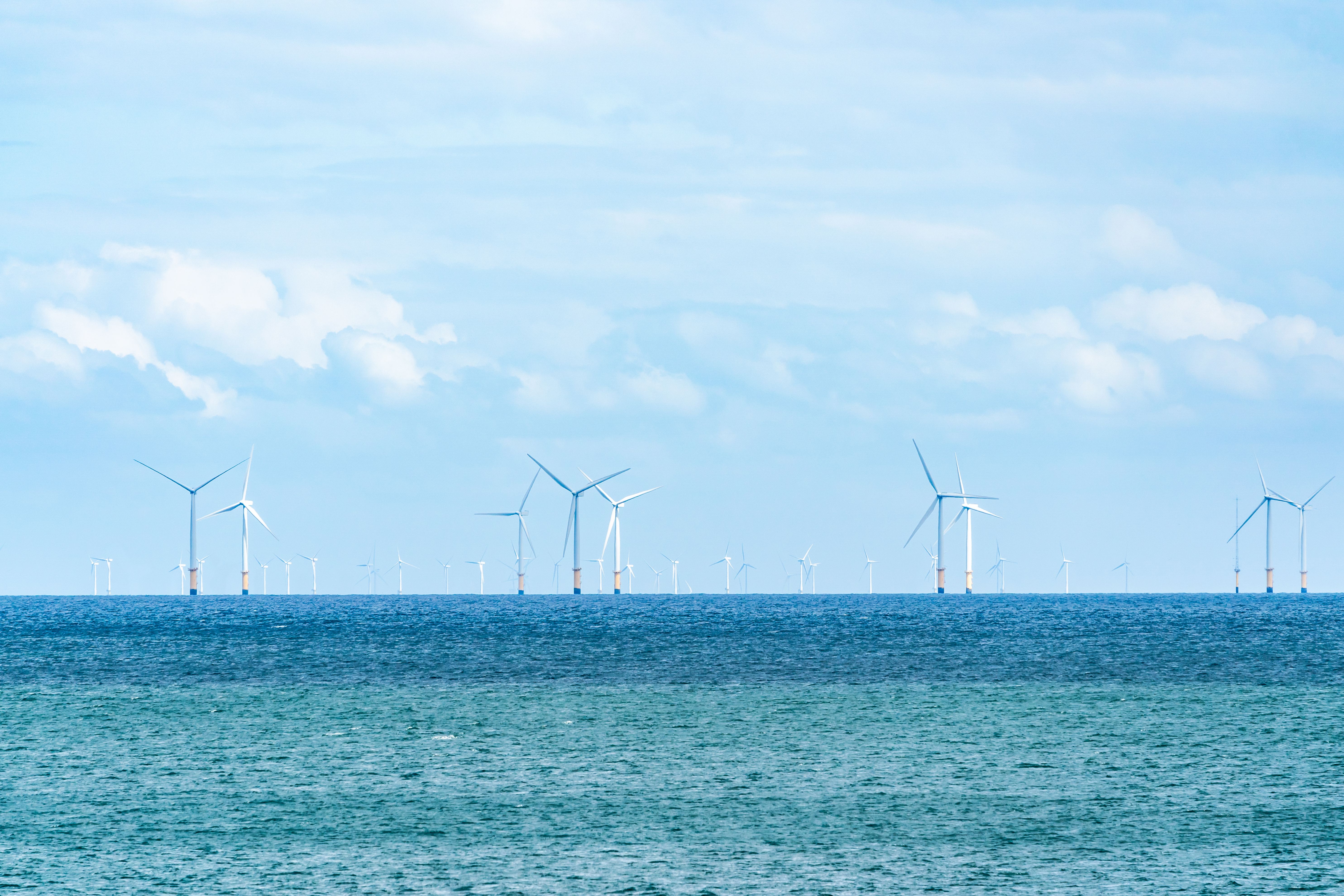
This year kicked off with the results of the latest UK offshore wind auction, which delivered a record-breaking 8.4GW of new offshore wind capacity, marking the largest procurement in Europe’s history. The auction is expected to unlock £22bn in private investment and support around 7,000 jobs nationwide. Crucially, new offshore wind cleared at prices around 40% lower than the cost of building and operating a new gas power plant, underlining how decisively the economics of power generation have turned.
Against a backdrop of global volatility, the result represents a material step forward for the UK’s 2030 clean power mission, reinforcing the shift toward energy sovereignty and long-term power abundance, with attention now pivoting towards the results for onshore wind and solar, which are due to be released in early February.
Alongside this, the Government published its long-awaited Warm Homes Plan, committing £15bn of public investment to upgrade five million homes. The programme targets energy efficiency improvements, lower heating costs and the deployment of clean technologies, including insulation, solar and battery storage, at scale. With buildings the UK’s second-largest emitting sector after transport, and residential properties responsible for around 70% of buildings emissions, the plan represents a critical intervention that aligns decarbonisation with lower household bills and economic resilience.
Momentum has also extended beyond the UK. This week, Energy Secretary Ed Miliband joined counterparts from Germany, France, Belgium, Iceland, Ireland, the Netherlands, Luxembourg, Denmark and Norway to sign a landmark clean energy security pact. Building on an existing commitment to deliver 300GW of offshore wind in the North Sea, the agreement formalises plans to jointly deliver 100GW through coordinated projects, sending a clear signal that Europe views clean power not only as a climate imperative, but as a strategic pillar of energy security in an increasingly volatile geopolitical landscape.
Climate & Security
Following a delay in publication, the UK Government released its assessment of the implications of global biodiversity loss and ecosystem collapse for UK national security. The report warns that ecosystems worldwide are on trajectories toward failure, with cascading risks for geopolitical stability, food and water systems, public health and global supply chains.
The findings echo the recent Parasol Lost: Recovery plan needed from the Institute and Faculty of Actuaries, The findings echo recent analysis from the Institute and Faculty of Actuaries in Parasol Lost: Recovery plan needed, which warns that global temperatures are rising faster than previously projected. Without accelerated action, the report warns that warming is likely to exceed 2°C by 2050, triggering severe and systemic impacts on economies and societies worldwide.