
)
)
A New Phase: Why the Transition Depends on Delivery
A transition defined by delivery
The climate transition is entering a new phase.
For much of the past decade, climate discussions have centred on ambition: setting targets, proving technologies and mobilising capital.
These foundations remain critical, however, at this year’s edition of Innovation Zero World, discussions moved past ambition and instead were firmly centred on implementation.
Across energy discussions, speakers were clear that the future is one of electrification and a more flexible, digital energy system. In the UK, significant progress has already been made in scaling up renewable generation capabilities; the challenge now lies in implementing the infrastructure and technologies needed to manage an electrified power system and support decarbonisation across downstream sectors.
Discussions around supply chains also highlighted how many corporates now possess extensive data on scope 3 emissions and climate impact across their supply chains but have made far less progress translating these insights into operational change. Acting on this data must be the priority to emissions reduction at pace and scale across value chains. As Oliver Hurrey summarised in his opening keynote, the priority now is “less counting, more cutting.”
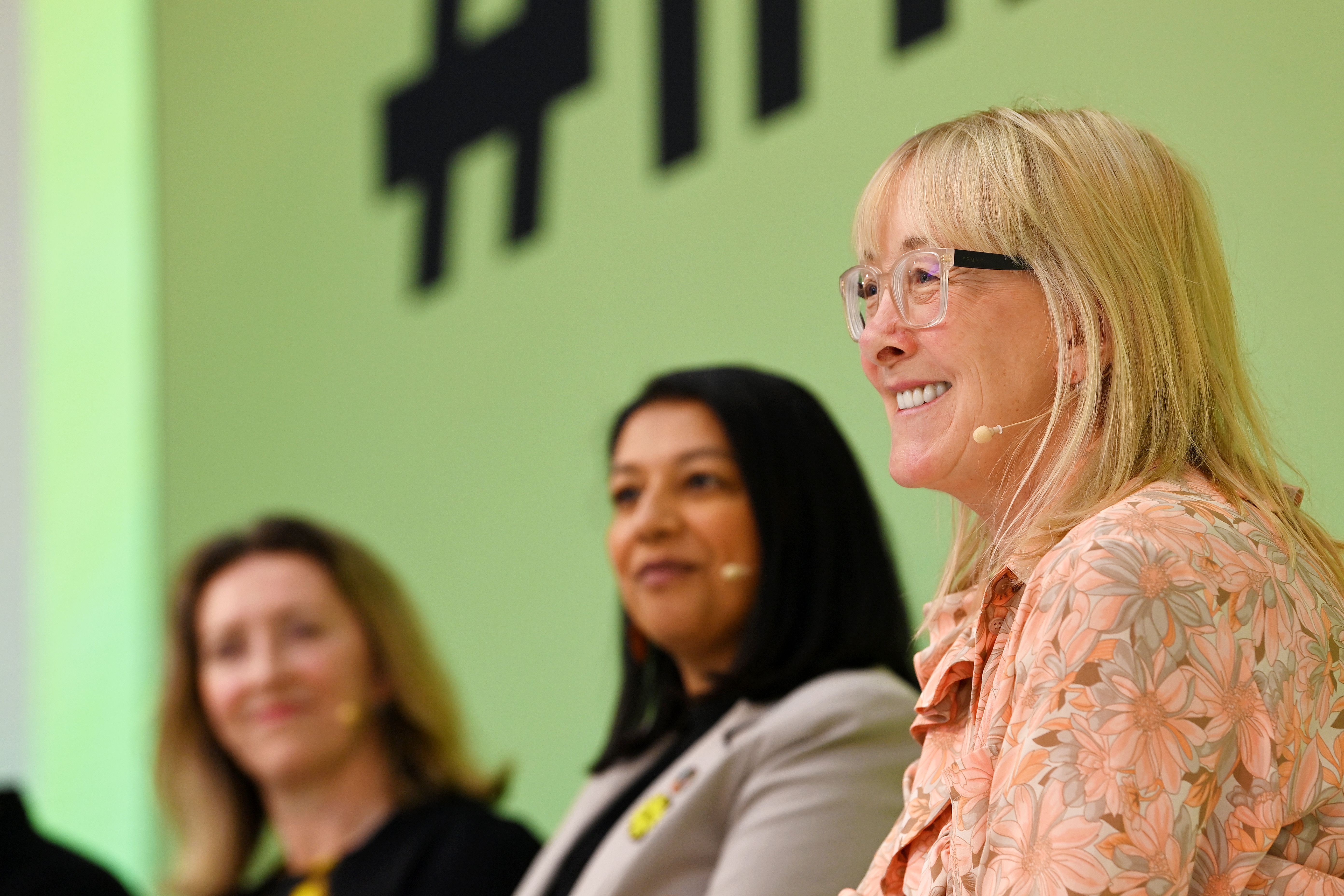
Marisa Drew, Chief Sustainability Officer, Standard Chartered
The case for action is shifting
The framing of the transition has decisively shifted.
For some time now, the moral imperative for climate action has been waning, with the rationale for action increasingly being framed through the lens of economic resilience, industrial competitiveness and energy security.
Recent events in the Middle East have only helped to accelerate this shift, as highlighted Nigel Topping’s opening keynote where he referenced analysis from the Office for Budget Responsibility (OBR) suggesting that one major fossil fuel price spike per decade between now and 2050 could increase UK borrowing by 13% of GDP by mid-century. The message is clear: continued dependence on volatile fossil fuel systems carries growing economic risk, while clean power represents both a strategic and fiscal opportunity.
The business case for action was also repeatedly made across the conference. In her opening remarks, Sonya Bhonsle drew on CDP data highlighting how the financial value of supply chain opportunities is increasingly outweighing the costs associated with unmanaged climate risk.
Marisa Drew and Elsa Palanza reinforced this view that the approach from investors towards climate investment is to view it as a means to tap into secure and stable energy markets while also creating new opportunities for value creation across value chains.
The moral argument may not have completely evaporated, however, the current and future rational for action is firmly coalescing points of energy security, affordability and resilience.
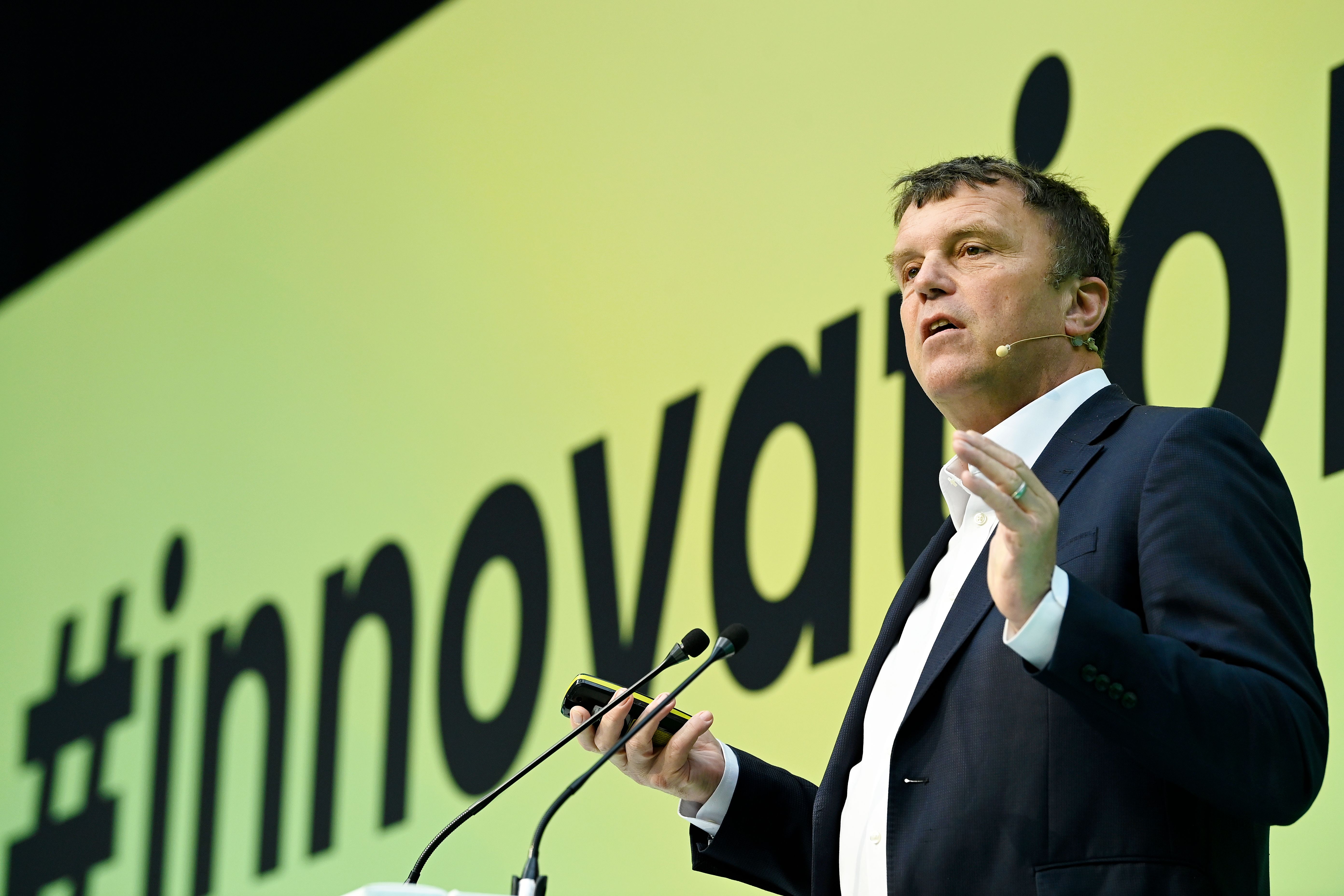
Nigel Topping, Chair of the Climate Change Committee
Clean energy depends on infrastructure, flexibility and local trust
The UK is well on the way to replacing fossil fuels with clean energy generation; however, much work still needs to be done to bring customers along on this journey.
As more EVs, heat pumps and electrified industrial users plug into the system, flexibility will be key to maintaining system stability by reducing system pressure at periods of peak demand.
However, consumers and businesses will not engage with flexibility markets simply because the energy system requires them to. Scaling participation depends on demonstrating how flexibility is commercially meaningful, accessible and trusted.
As highlighted by Chris Norbury, we’ve yet to fully grasp the benefits that electrification and flexibility provide to consumers. Achieving this will be key to building public trust. And at a time of political fragmentation, transparency and trust are critical.
This issue of public trust and visible benefit surfaced repeatedly. Speakers repeatedly argued that the transition must become tangible through lower bills, warmer homes, cleaner air, improved transport and stronger local economies.
Among many insights offered up, Lord Adair Turner stressed the importance of honesty in communicating both the costs and benefits of the transition. In an increasingly fragmented political environment, fairness cannot be treated as a secondary communications exercise. Public legitimacy and visible societal benefit are now central to successful delivery.
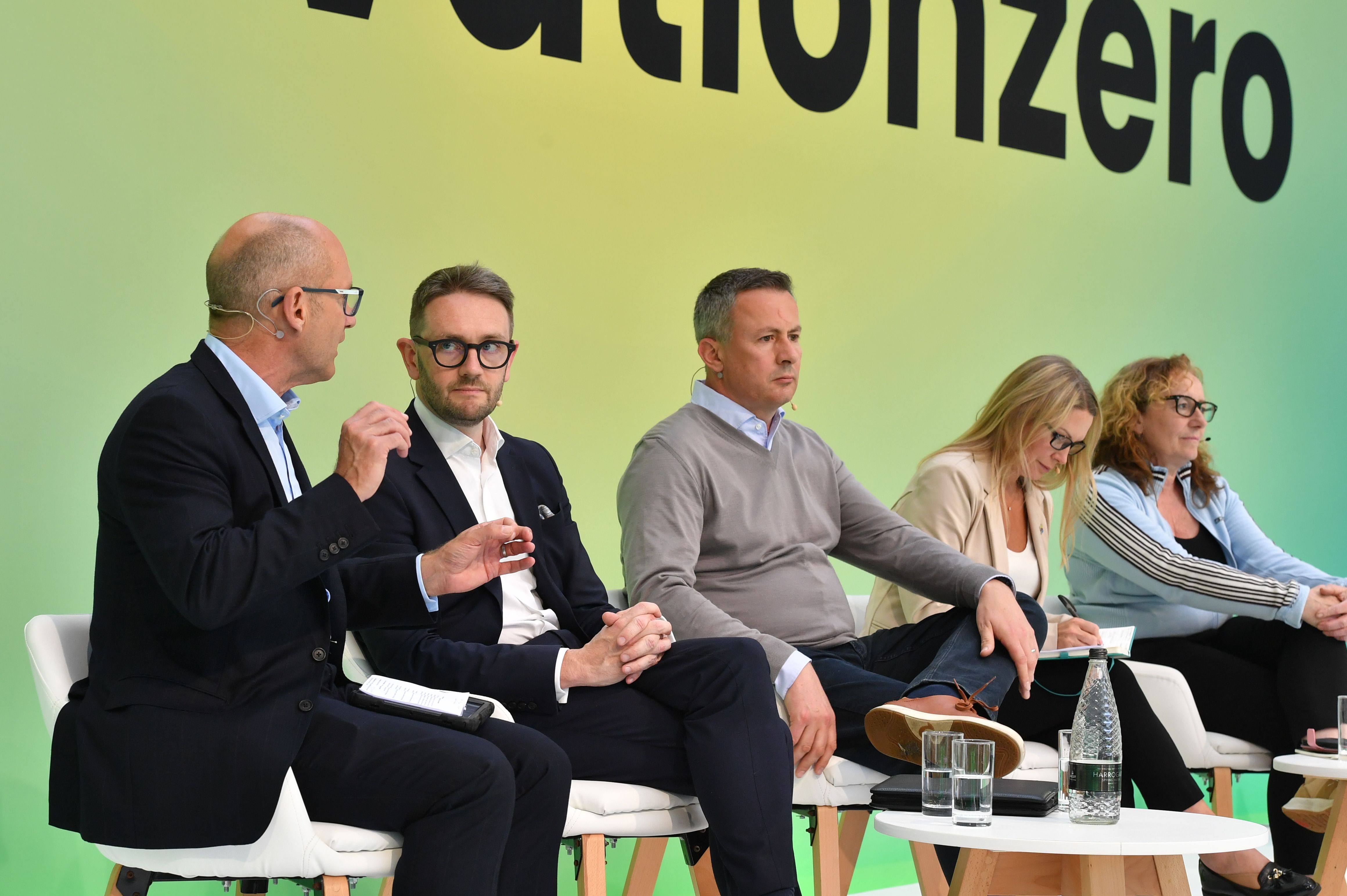
Dr Nick Wayth, Chris Stark CBE, Chris Norbury, Claire Mack OBE, and Juliet Davenport
Innovation is about customers, not just capital
Innovation discussions reinforced a consistent theme throughout the conference: the primary challenge is no longer technology alone, but commercial adoption.
While the “missing middle” between early-stage research and deployment remains a barrier, Beverley Gower Jones argued that the issue is often less about whether finance exists and more about whether capital is structured appropriately around climate technology business models.
Projects increasingly need to demonstrate bankable customer demand, reliable offtake agreements and scalable procurement pathways before finance can flow at scale.
Procurement therefore emerged as one of the most practical levers for accelerating deployment. Advanced market commitments, public demand aggregation and green proving grounds were all highlighted as mechanisms capable of giving innovators confidence that scalable markets exist for their products and services.
As one speaker summarised during the Innovation Showcase, the strongest climate ventures are not climate projects searching for markets, but commercially viable businesses that also deliver climate impact.
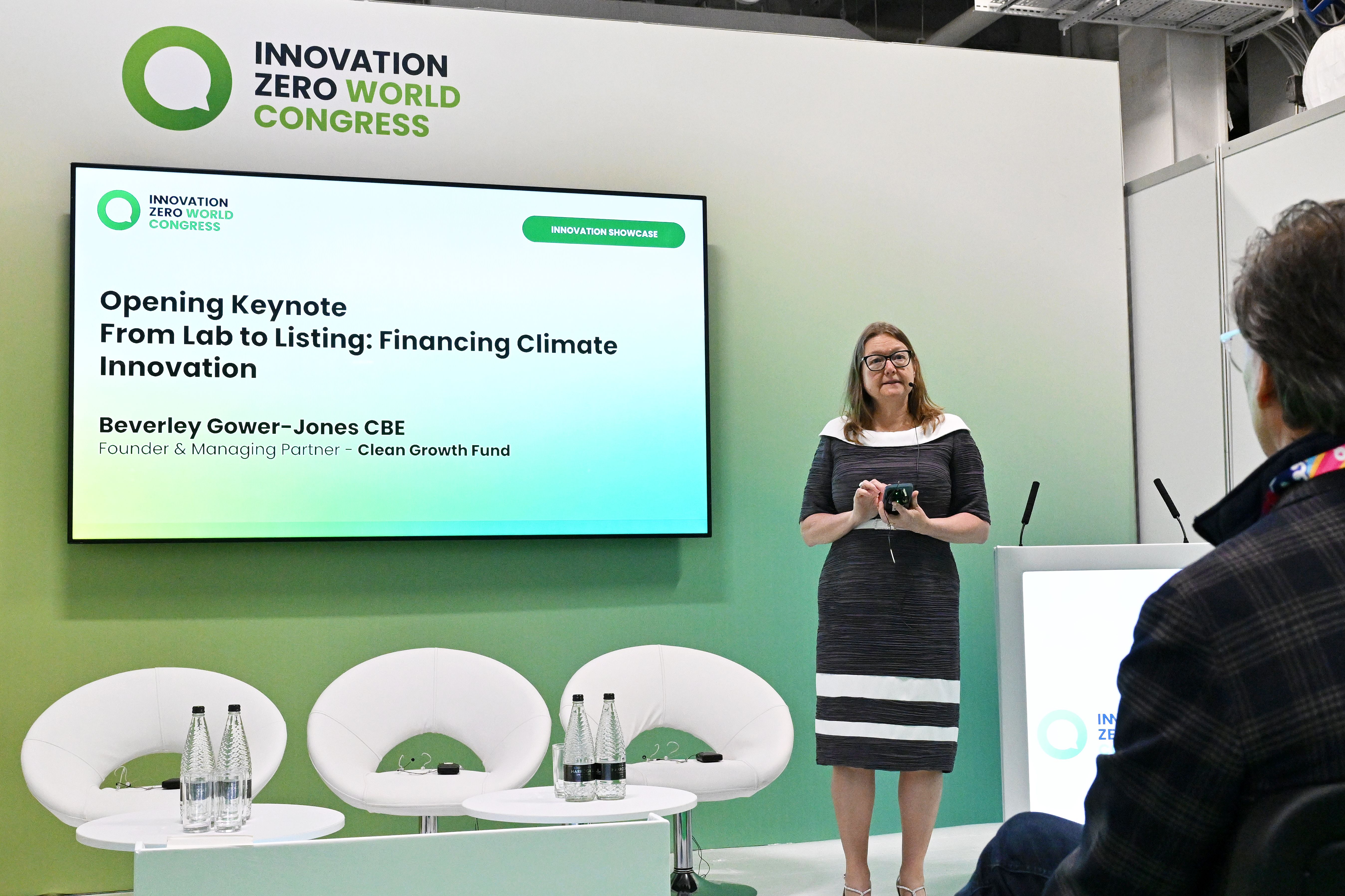
Beverley Gower-Jones, Founder & Managing Partner, Clean Growth Fund
Nature as infrastructure
“The earth system is our most critical piece of infrastructure,”
Nature is no longer being viewed simply as an environmental asset, but as critical infrastructure underpinning economic prosperity and operational resilience.
Despite ecosystem services, such as flood mitigation, soil health, air quality and carbon sequestration, generating billions in economic value, the level of investment going into maintaining and restoring natural systems remains comparatively limited.
As we look to mobilise the private sector investment required to support nature, speakers argued that nature must be viewed through the lens of investable infrastructure, with long timeframes that mirror existing sectors such as power, water and mining.
This reframing – from nature as purely a restoration issue to nature as infrastructure supporting resilience, economic value and long-term stability – was reflected in comments from Rhian-Mari Thomas, who argued that framing nature-based systems through the language of infrastructure and financial performance opens the conversation to a much broader group of institutional investors and finance professionals.
However, attracting large-scale capital requires more than environmental intent alone. To move this market forward investors, need to be able to see credible data, transparent monitoring systems, certification frameworks and defensible commercial models before committing finance to nature-based projects.
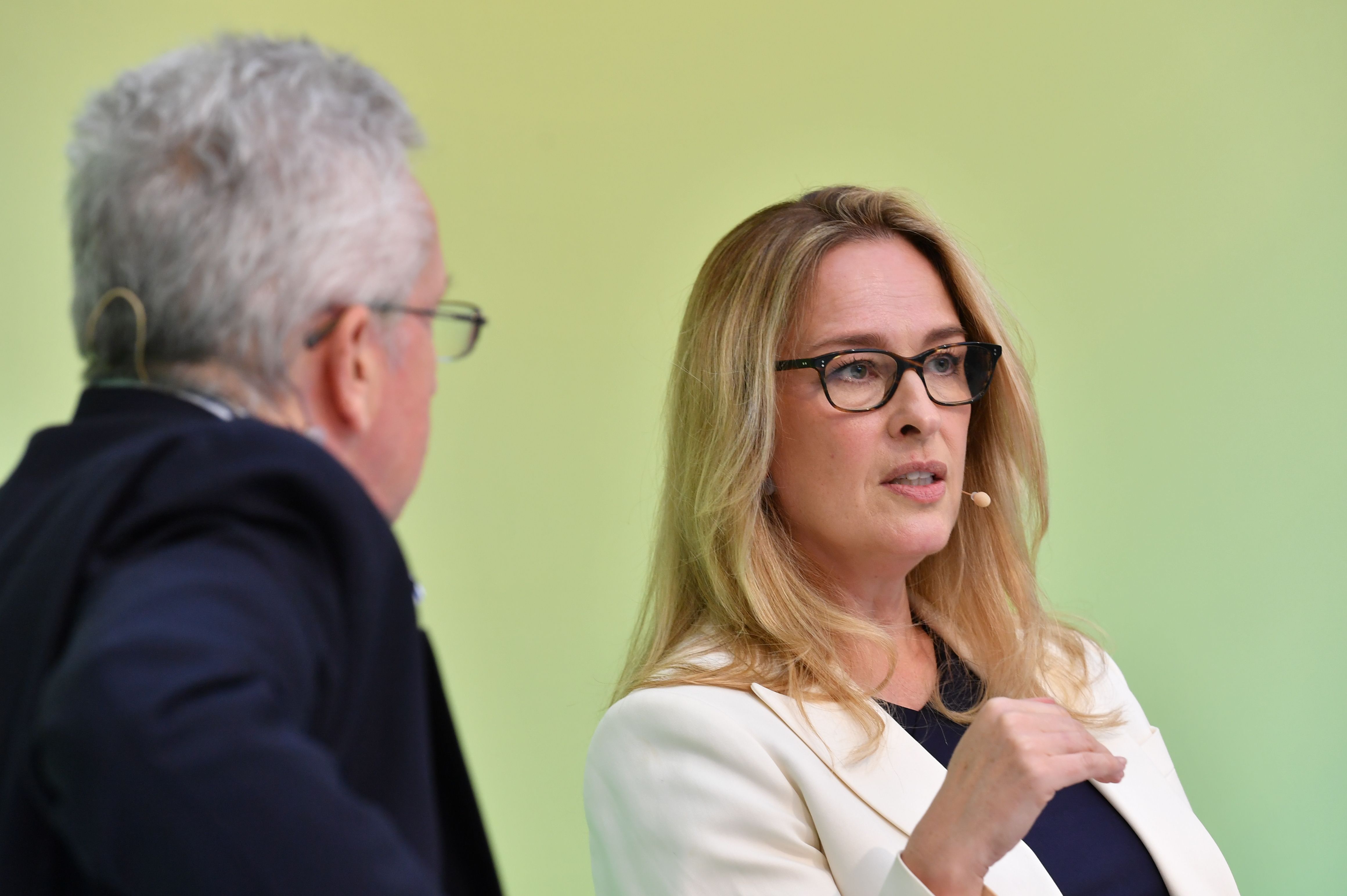
Dr Rhian-Mari Thomas OBE, Chief Executive Officer, Green Finance Institute
The next phase is coordination
A defining conclusion from Innovation Zero World 2026 was that delivery at scale now depends on coordination across interconnected systems.
Energy discussions highlighted data centres as a clear example. If poorly integrated, rising electricity demand from digital infrastructure could place additional strain on constrained networks. If strategically coordinated, however, data centres could support flexibility markets, local energy systems and grid resilience.
This systems perspective surfaced repeatedly across the conference. Buildings, transport, healthcare estates, finance, procurement, digital infrastructure and energy systems are not isolated sectors, but operate as interconnected networks.
Paul Monks warned that if the UK continues to operate in silos, it risks failing to capture the full value of innovation in sectors such as if materials science, manufacturing, systems engineering and industrial design.
Fragmentation remains a challenge for government itself. Manufacturing, energy, transport, defence and industrial strategy often sit across separate departments despite increasingly overlapping supply chains and technological priorities.
Joining up delivery will now be required if industrial strategy is to move beyond high-level frameworks and into operational implementation.
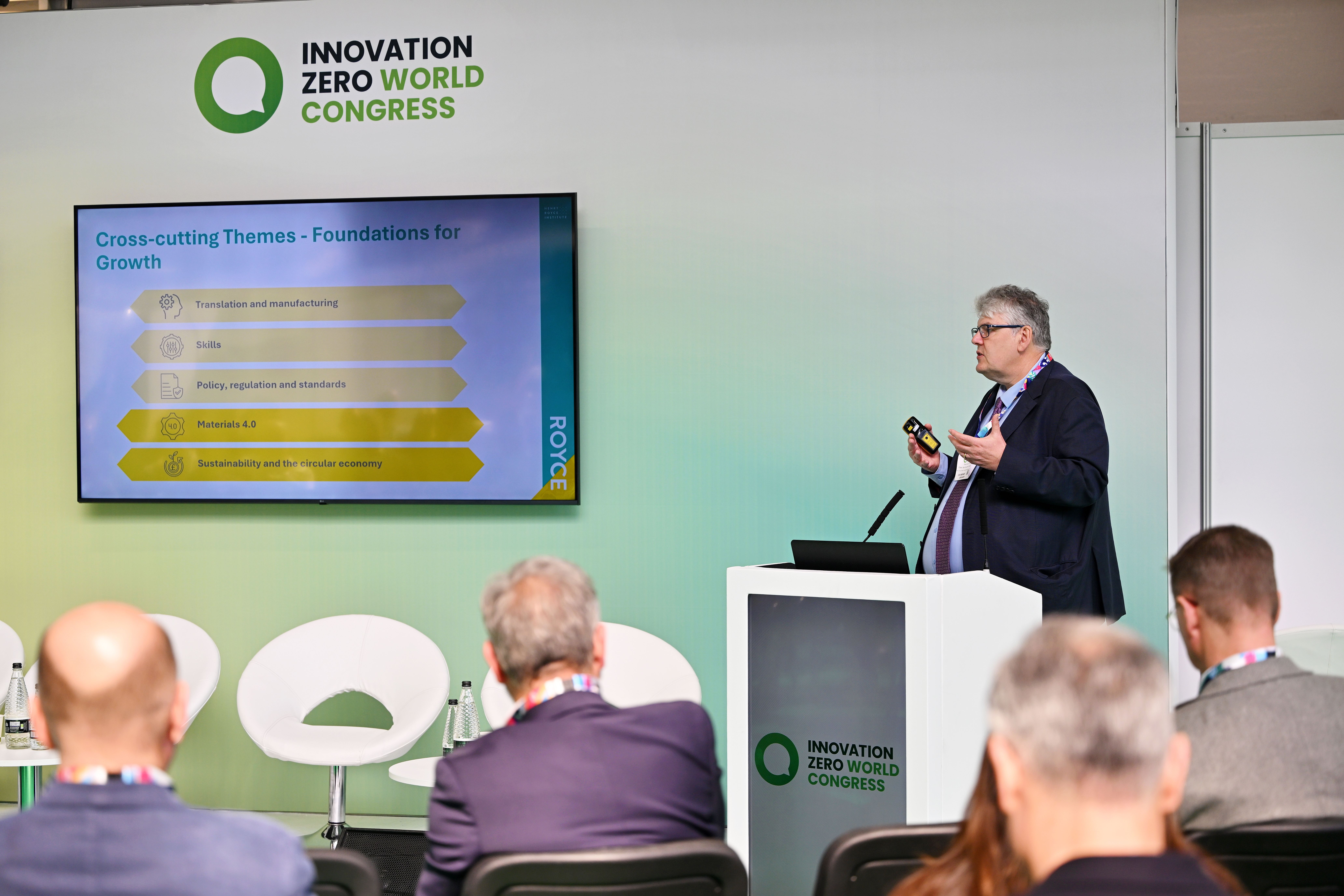
Professor Paul Monks, Chair of the Henry Royce Institute
Conclusion
Innovation Zero World 2026 demonstrated that the transition is no longer primarily a question of ambition, innovation or intent. Increasingly, it is a question of delivery.
The technologies are maturing, investment is flowing and the economic case continues to strengthen. Yet real progress will depend on our ability to coordinate across sectors, align incentives, build public trust and translate strategy into implementation.
Whether the challenge is electrification, industrial decarbonisation, climate resilience, nature restoration or innovation deployment, the common thread is clear: success will be determined not by what we plan to do, but by how effectively we work together to do it.
The message is clear: we have the tools; vision is there; now we need to manifest it.